Understanding the Latest Trends in Foot Surgery Techniques


Introduction to Modern Foot Surgery
Foot surgery has undergone significant advancements in recent years, leading to improved outcomes and faster recovery times. These innovations are driven by a deeper understanding of foot anatomy and the development of new surgical techniques. For those considering foot surgery, it’s crucial to understand these trends and how they might affect treatment options.

Minimally Invasive Techniques
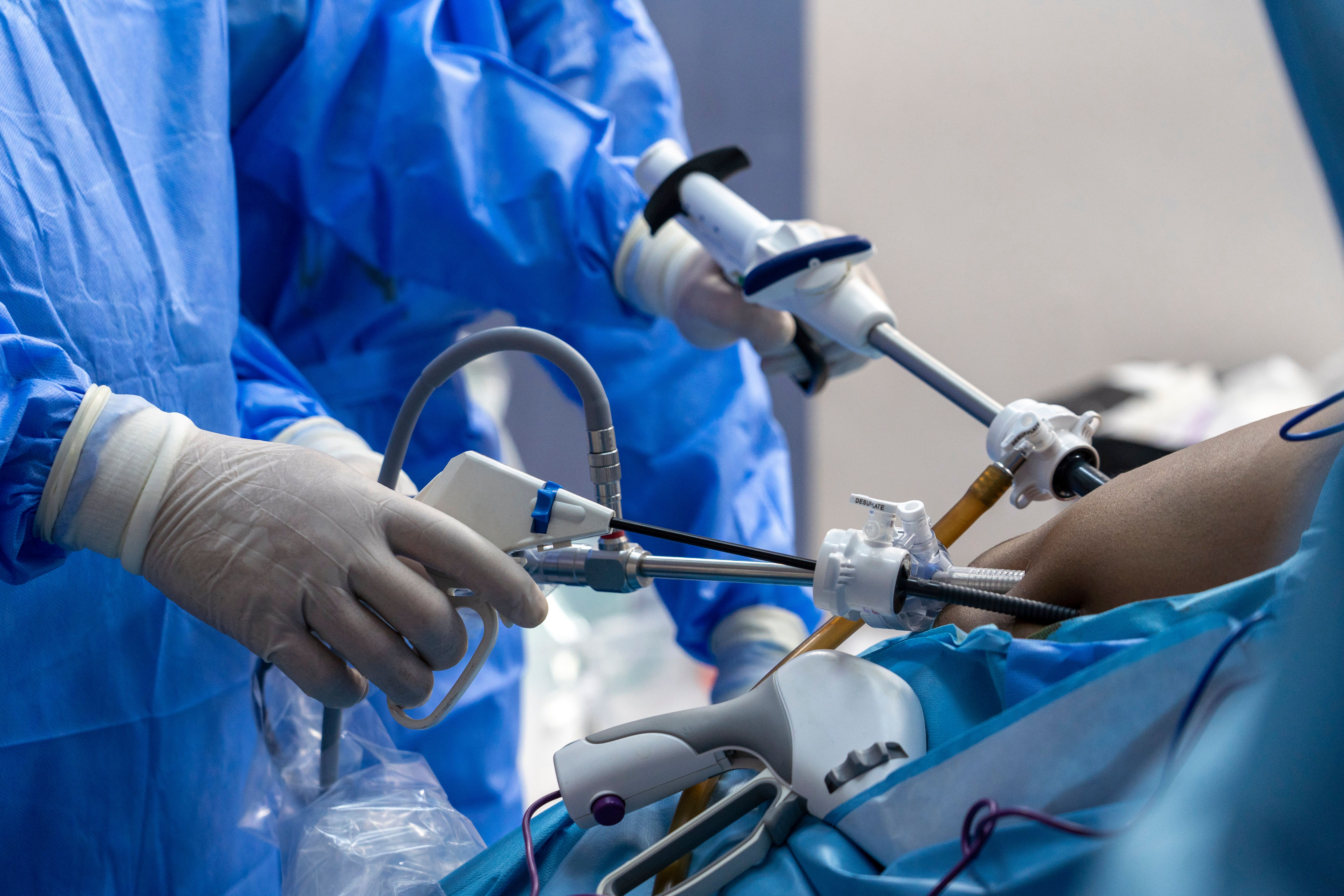
One of the most notable trends in foot surgery is the rise of minimally invasive techniques. These procedures involve smaller incisions, which result in less trauma to the surrounding tissue. Benefits include reduced pain, quicker recovery, and minimal scarring. Techniques such as endoscopic surgery are gaining popularity for conditions like bunions and hammertoes.
Minimally invasive foot surgery is particularly advantageous for patients who may have concerns about lengthy recovery periods. As technology continues to evolve, these techniques are becoming more precise and accessible to a broader range of patients.
Advanced Imaging and Diagnostics
Another significant trend is the use of advanced imaging and diagnostics. Techniques such as MRI, CT scans, and 3D imaging provide surgeons with detailed views of the foot’s structure, allowing for more accurate diagnosis and surgical planning. This precision ensures better alignment and functionality post-surgery.
These tools also facilitate customized treatment plans, catering to the unique anatomy and needs of each patient. Enhanced imaging is transforming how surgeons approach complex foot conditions, making surgeries safer and more effective.

Robotics and Computer-Assisted Surgery
Robotics and computer-assisted surgery are revolutionizing foot surgery by offering enhanced precision and control. These technologies aid surgeons in performing intricate procedures with greater accuracy. Robotics can be particularly beneficial in surgeries requiring complex reconstructions.
This trend is part of a broader movement towards integrating technology into surgical practices, allowing for consistently better outcomes and expanding the possibilities of what can be achieved surgically.
Biological and Synthetic Materials
The use of biological and synthetic materials is another exciting development in foot surgery. These materials are used to replace or repair damaged bone and tissue, enhancing healing and recovery. Bioengineered grafts and implants are becoming more common, offering improved compatibility and reduced risk of rejection.
These materials are paving the way for more successful reconstructive surgeries and are particularly beneficial in treating conditions like arthritis and traumatic injuries.

Personalized Rehabilitation Programs
Post-surgery rehabilitation is just as crucial as the surgery itself. Personalized rehabilitation programs are now being designed to meet the specific needs of each patient, promoting faster recovery and better long-term outcomes. These programs often incorporate physical therapy, strength training, and mobility exercises tailored to individual recovery goals.
The emphasis on personalized care reflects a broader trend in healthcare towards individualized treatment, recognizing that each patient’s journey is unique.
Conclusion
The latest trends in foot surgery techniques are transforming how conditions are treated, offering patients more options and better outcomes. From minimally invasive procedures to advanced imaging and robotics, these innovations are making foot surgery more effective and accessible. As these technologies continue to evolve, patients can look forward to even more advancements in the future.